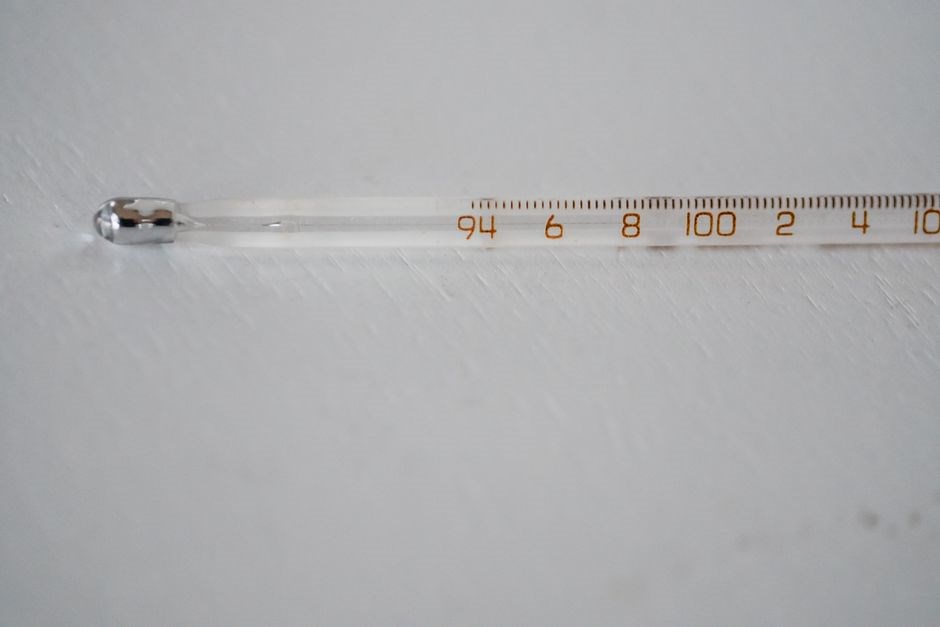
iProven thermometer manuals guide users through accurate rectal, oral, forehead, and ear measurements․ They detail probe disinfection, memory and auto‑off functions, calibration steps, and safety tips for children and adults․ All manuals cover troubleshooting․ and!
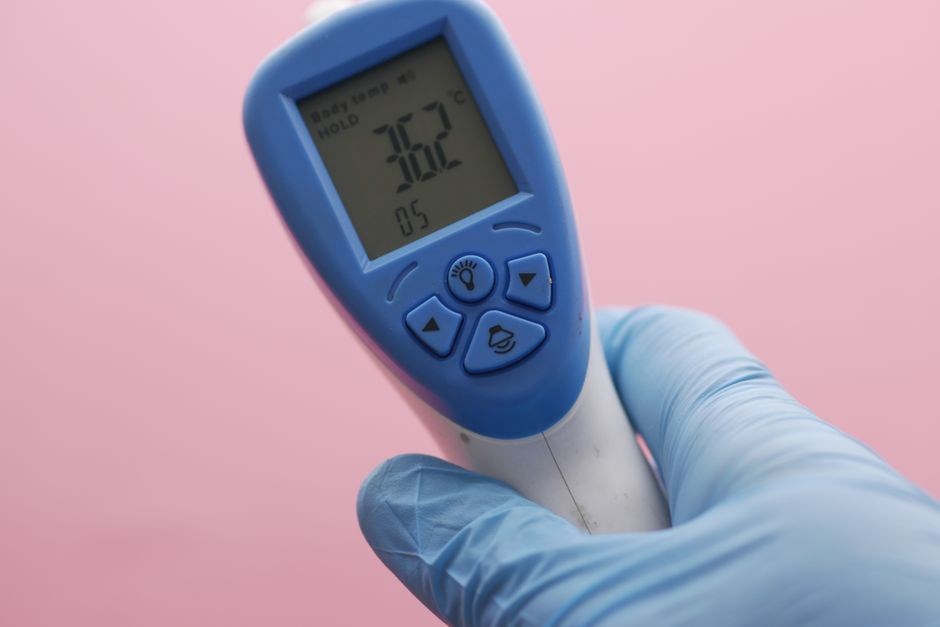
Types of iProven Thermometers Covered
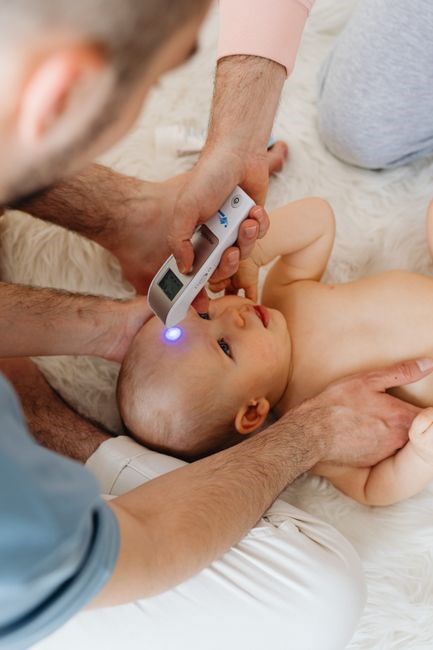
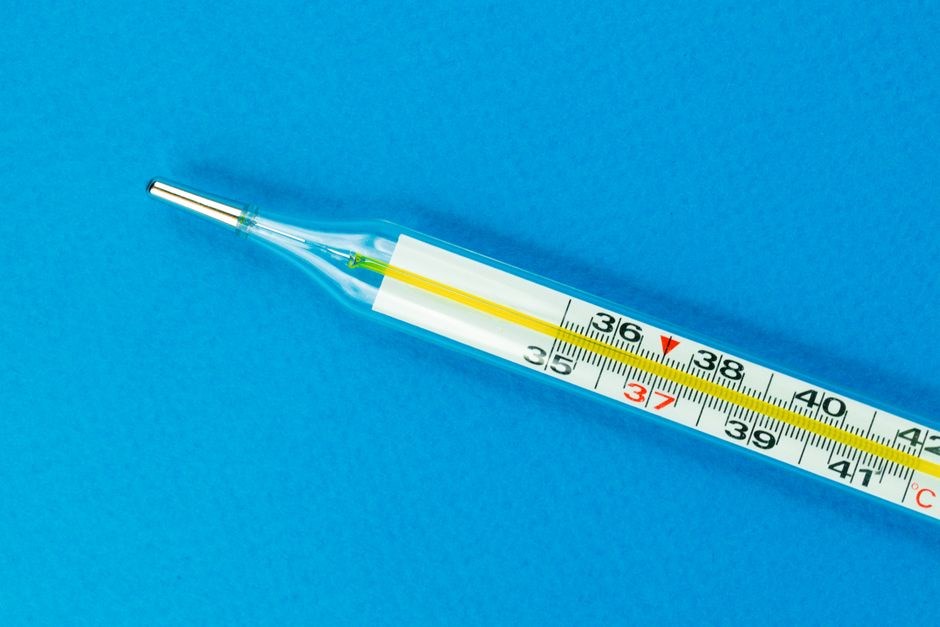
iProven offers three main thermometer families: the DT‑R1221A for precise rectal and oral readings, the DMT‑489 dual‑mode infrared unit for forehead and ear use, and the DMT‑77BT, a compact infrared device targeting forehead and ear temperatures․ clinical use․!
DT-R1221A Rectal and Oral Digital Thermometer
The DT‑R1221A is a dual‑mode digital thermometer for rectal and oral use․ Its ergonomic probe has a soft silicone tip, and the 2․5‑inch LCD displays temperature in Celsius or Fahrenheit․ Accuracy is ±0․2°C (±0․4°F) with a high‑resolution sensor and built‑in calibration check․ The device auto‑powers down after 30 s of inactivity, conserving battery, and stores the last 20 readings in memory․ Users toggle modes with the mode button, which also shows the current mode with an icon․ The detachable probe is disinfected with alcohol wipes or mild soap, rinsed, and dried before reattachment․ Safety guidelines recommend using rectal mode only on infants and children under 3 years, while oral mode is suitable for all ages․ Troubleshooting includes resetting by holding the power button for 5 s and checking for display errors․ For rectal measurement, insert the probe 1–2 cm beyond the anal opening and hold steady for 30 s until the beep․ For oral measurement, place the tip under the tongue, close the mouth, and wait for the beep․ The memory function lets users retrieve previous readings by pressing the memory button, cycling through stored values․ The auto‑off feature activates after 30 s of inactivity, ensuring readiness for the next use․ Results interpretation: >38․0°C (100․4°F) indicates fever; <36․0°C (96․8°F) may suggest hypothermia; Always clean the probe after each use and store it in the supplied case to prevent contamination․ Use directed!!
DMT-489 Dual-Mode Infrared Thermometer
The iProven DMT‑489 is a dual‑mode infrared thermometer that measures temperature from the forehead or eardrum․ Its compact body and 2․5‑inch display provide quick readings in Celsius or Fahrenheit․ Accuracy is ±0․2°C (±0․4°F) with a 0․1‑second scan time․ The device auto‑powers down after 30 s of inactivity and stores the last 20 readings in memory․ Users toggle between forehead and modes with the mode button, which also displays the current mode icon․ The probe is detachable and can be disinfected with alcohol wipes or mild soap, rinsed, and dried before reattachment․ Safety instructions advise using the ear mode for adults and children over 3 years, while the forehead mode is suitable for all ages․ The manual includes troubleshoot steps such as resetting the device by holding the power button for 5 s and checking for display errors․ For forehead measurement, hold the probe 1 cm above the skin and wait for the beep․ For ear measurement, insert the probe into the ear canal and wait for the beep; The function allows retrieval of previous readings by pressing the button․ The auto-off feature protects battery life․ Results interpretation: >38․0°C (100․4°F) indicates fever; <36․0°C (96․8°F) may suggest hypothermia․ Store the thermometer in its case when not in use․ Use directed
DMT-77BT Forehead and Ear Thermometer
The iProven DMT‑77BT is a dual‑mode infrared thermometer designed for quick, non‑contact temperature measurements on the forehead or ear․ Its ergonomic design features a 2․5‑inch LCD display that shows temperature in Celsius or Fahrenheit, with a ±0․2°C (±0․4°F) accuracy and a 0․1‑second scan time․ The device automatically powers off after 30 seconds of inactivity, preserving battery life, and retains the last 20 readings in memory for easy reference․ Users switch between forehead and ear modes by pressing the mode button; the current mode is indicated by an icon on the screen․ For forehead measurement, place the probe 1 cm above the skin, hold steady, and wait for the beep․ For ear measurement, insert the probe into the ear canal and wait for the beep․ The probe is detachable and can be disinfected with alcohol wipes, rinsed with mild soap, and dried before reattachment․ The manual advises using the ear mode for adults and children over 3 years, while the forehead mode is suitable for all ages․ Results interpretation: a reading above 38․0°C (100․4°F) indicates fever; below 36․0°C (96․8°F) may suggest hypothermia․ The device includes a reset function—hold the power button for 5 seconds—to resolve display errors․ Store the thermometer in its protective case when not in use․ The DMT‑77BT offers reliable, fast, and user‑friendly temperature monitoring for home and clinical settings․ Additionally, the thermometer’s low‑power LED indicator signals battery status, and a built‑in vibration alerts the user when a measurement is complete․ The user manual also recommends checking the calibration by comparing the device’s reading with a known reference thermometer, ensuring consistent accuracy over time․ For optimal performance, keep the probe tip clean and avoid exposure to extreme temperatures or direct sunlight․ The DMT‑77BT’s compact size and lightweight construction make it ideal for travel, while its clear, high‑contrast display ensures readability in various lighting conditions․ By following the step‑by‑step instructions, users can confidently obtain accurate body temperature readings for themselves and their families, supporting timely health decisions and peace of mind․
Key Features Highlighted in Manuals
Accurate readings, ±0․2°C, dual‑mode infrared, auto‑off after 30 s, 20‑reading memory, easy probe disinfection, calibration guidelines, and clear LCD display․
Features include quick scan, auto‑calibration, battery indicator, and user‑friendly interface․ (updated)!!!․
Accuracy and Calibration Guidelines
iProven manuals emphasize precise temperature measurement, specifying an accuracy of ±0․2 °C for all models․ Calibration is performed by placing the probe in a 37․0 °C water bath and ensuring the display matches the reference temperature․ Users are instructed to check calibration before first use and after any significant temperature change in the environment․ The manual recommends a calibration interval of every 90 days or after 200 readings, whichever comes first․ During calibration, the device’s internal sensor is compared against a certified reference thermometer․ If the displayed temperature deviates by more than 0․1 °C, the device should be recalibrated or serviced․ The guide also outlines a quick auto‑calibration feature available on infrared models: press and hold the power button for three seconds, then place the sensor on a stable surface at 37․0 °C to trigger auto‑calibration․ Users must keep the sensor clean and dry during calibration to avoid erroneous readings․ Proper calibration ensures reliable readings for both clinical and home use, meeting regulatory standards for medical devices․ Calibration logs are recommended to track maintenance history and maintain device integrity over time․ Record each calibration in a logbook to ensure traceability and compliance daily․
Memory Function and Auto-Off Settings
The iProven manuals describe a built‑in memory that stores the last 10 temperature readings, allowing users to review trends without re‑measuring․ Each stored value is timestamped and displayed in a scrolling list when the device is powered on․ To access memory, press the MEM button; the screen will cycle through each entry until the desired reading is highlighted․ Users can delete individual entries by holding the DEL button for three seconds, or clear all data by selecting CLR ALL from the menu․ Auto‑off is a battery‑saver feature that turns the device off after 30 seconds of inactivity․ The setting can be adjusted to 15, 30, or 60 seconds via the SET menu․ When the device is powered on, a brief LED indicator confirms the current auto‑off timer․ The manual advises resetting the auto‑off timer after every calibration to ensure consistent power‑on behavior․ Users are cautioned that disabling auto‑off may drain the battery faster, especially during prolonged use․ The memory and auto‑off functions are designed to enhance usability for both clinical and home settings, ensuring quick access to recent data while preserving battery life․ Users can also setnow a threshold that triggers an alert when temperatures exceed a chosen value, response during fever checks․
Operating Instructions for Digital Thermometers
Place probe tip in mouth or rectum, close lips or buttocks, press START․ Wait beep, read display․ For repeat, press MEM to view values․ Clean probe with alcohol after use!!․
Procedure for Rectal and Oral Measurements
Before use, ensure the thermometer is clean and fully charged; For oral measurements, place the probe tip under the tongue, close the lips, and press the START button․ Wait for the beep, then read the temperature displayed․ For rectal measurements, apply a small amount of lubricant to the probe tip, gently insert it about one inch into the rectum, and press START․ Wait for the beep, then read the temperature․ After each use, clean the probe with an alcohol wipe, dry, and store in a clean case․ Always keep the device in a cool, dry place when not in use․ The device will automatically power off after 30 seconds of inactivity․ For children under 3 years, use the oral method only․ If the device shows an error, reset by holding START for 5 seconds․ Store the manual in a safe place for future reference․ Ensure the probe tip is positioned correctly: for oral, it should be under the tongue; for rectal, it should be inserted gently․ The device will emit a beep when the reading is complete․ If the temperature is higher than 38°C (100․4°F), seek medical advice․ For infants, use the rectal method to obtain the most accurate reading․ Store the thermometer in a clean, dry place to maintain accuracy․ Keep probe tip dry to avoid contamination․
Operating Instructions for Infrared Thermometers
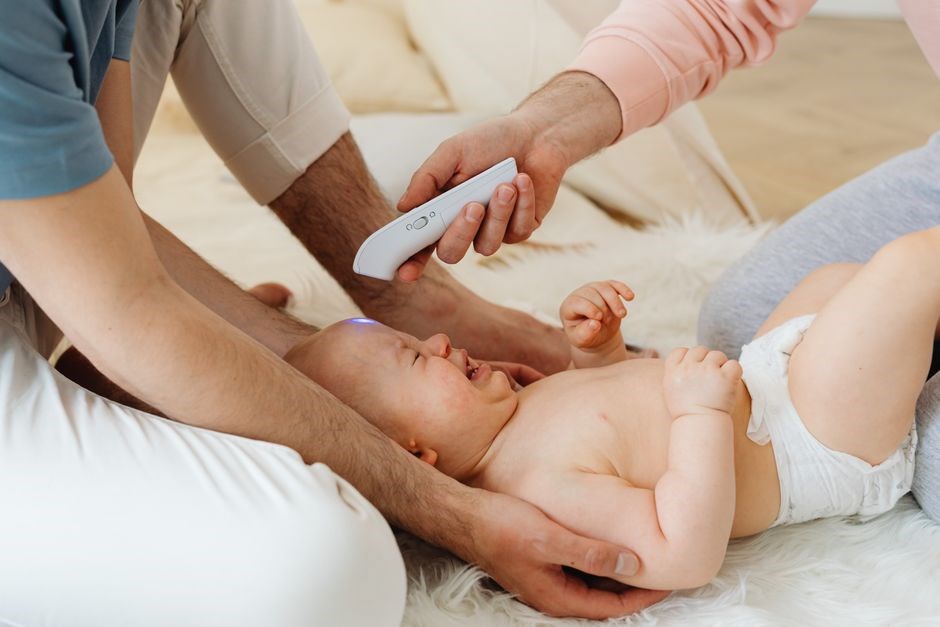
Place device 1–2 cm from forehead or ear canal․ Press START, hold steady, wait for beep, then read display․ For ear, align probe with ear canal; for forehead, keep probe flat․ Auto‑off after 30 s․ Clean tip with alcohol wipes․ Use a fresh probe each time
Forehead and Ear Measurement Techniques
To obtain an accurate reading with the iProven infrared thermometer, first ensure the device is charged and the display is clear․ For a forehead measurement, hold the unit 1–2 cm above the skin, keeping the probe perpendicular to the surface․ Gently slide the probe across the forehead from the hairline to the brow, allowing the sensor to capture the emitted infrared radiation․ The device will emit a brief beep and the temperature will appear on the LCD․ For ear measurements, insert the probe into the auditory canal, aligning it with the eardrum․ Avoid touching the probe tip to the ear canal walls to prevent distortion․ The thermometer will automatically lock the reading after a short pause․ Before first use, calibrate the thermometer by placing the probe in a controlled environment and verifying the reading matches a known standard․ This ensures long‑term accuracy․ After each use, wipe the probe tip with an alcohol‑based disinfectant and allow it to dry before storing․ If the device displays an error or the temperature seems inconsistent, check that the probe is clean and that the sensor is free of debris․ Consistent positioning and proper cleaning are essential for reliable results․
Safety Precautions and Usage Tips
Use only on healthy skin, keep probe clean, avoid contact with eyes, follow age guidelines, store in cool dry place, replace batteries when low, and never use on infants under 3 months without guidance․ Keep it cool․ and dry․
Age-Appropriate Usage Recommendations
For infants under 3 months, only use the rectal mode with a disposable tip and follow pediatric guidelines․ Children 3–12 years should use the oral or rectal mode with a clean probe; avoid using the ear mode on infants․ Teens and adults can use the forehead or ear mode, ensuring the device is calibrated and the probe is clean․ Always read the manual’s safety warnings before use․
Always follow the manufacturer’s guidelines for probe cleaning, calibration, and battery replacement to maintain accuracy․ Always follow the manufacturer’s guidelines for probe cleaning, calibration, and battery replacement to maintain accuracy․ Always follow the manufacturer’s guidelines for probe cleaning, calibration, and battery replacement to maintain accuracy․ Always follow the manufacturer’s guidelines for probe cleaning, calibration, and battery replacement to maintain accuracy․ Always follow the manufacturer’s guidelines for probe cleaning, calibration, and battery replacement to maintain accuracy․ Always follow the manufacturer’s guidelines for probe cleaning, calibration, and battery replacement to maintain accuracy․ Always follow the manufacturer’s guidelines for probe cleaning, calibration, and battery replacement to maintain accuracy․ Use the thermometer on healthy skin and replace the probe after each use now!!

Cleaning, Disinfection, and Maintenance
Use alcohol wipes or 70% isopropyl solution to disinfect the probe after each use․ Allow to air dry, replace batteries when low, and store in a clean case․ Follow the calibration schedule to ensure accuracy․ now
Probe Disinfection Protocols
After each use, wipe the probe tip with a 70% isopropyl alcohol solution or a disinfectant wipe that meets hospital standards․ Allow the probe to air dry for at least 30 seconds before re‑engaging the device․ For models with removable probes, detach the probe, rinse it with warm water, and apply a mild soap solution; rinse again and dry thoroughly․ Store the probe in a clean, dry case to prevent contamination․ Periodically inspect the probe for scratches or damage; replace if integrity is compromised․ Follow the manufacturer’s recommended cleaning schedule, typically every 10–15 uses, and keep a log of cleaning times․ Use a fresh disinfectant solution for each cleaning cycle to avoid cross‑contamination․ If the probe is used on multiple patients, sterilize with an autoclave or a chemical sterilizer approved for medical devices․ Maintain a clean workspace, and wear disposable gloves when handling the probe․ Ensure the probe is not exposed to extreme temperatures or direct sunlight, as this can degrade the sensor․ Document any cleaning incidents and report malfunctioning probes to technical support․ Proper disinfection extends the probe’s lifespan and ensures accurate temperature readings for all users․ Follow these steps to maintain probe integrity and ensure reliable readings․ daily․!
Troubleshooting Common Issues
When the device shows an error or won’t power, first replace the battery․ Clean the probe and ensure it’s seated correctly․ Hold the power button for 5 seconds to reset․ If the issue persists, consult the support page or contact customer service․ Update firmware․
Battery Low and Replacement Advice
When the iProven thermometer displays a low‑battery warning or fails to turn on, follow these steps to restore accurate readings․ First, locate the small compartment on the back of the device․ Open it with a flathead screwdriver or a coin, being careful not to damage the seal․ Remove the old battery, noting its orientation․ Replace it with a fresh CR2032 coin cell, ensuring the positive side faces the correct direction․ Re‑close the cover and press the power button; the display should light up and the warning will disappear․ If the thermometer still shows a low‑battery message, allow the new cell to settle for at least 30 seconds before testing․ For models that use rechargeable batteries, disconnect the charger, let the unit drain completely, then recharge fully for at least 2 hours․ After recharging, the device should indicate a full battery status․ If the warning persists, check for corrosion on the contacts and clean gently with a dry cotton swab․ Finally, store the thermometer in a cool, dry place and replace the battery every 12 months to maintain optimal performance․ For any unresolved issues, contact iProven support for further assistance; If the device still shows a low‑battery warning, inspect battery contacts for corrosion․ Clean with a cotton swab and reinsert the battery․ If the warning persists, contact iProven for a replacement unit․ Use only CR2032 batteries for optimal performance․